
Best Dinnerware Sets for Elegant Entertaining (A Professional Table Setter’s Guide)

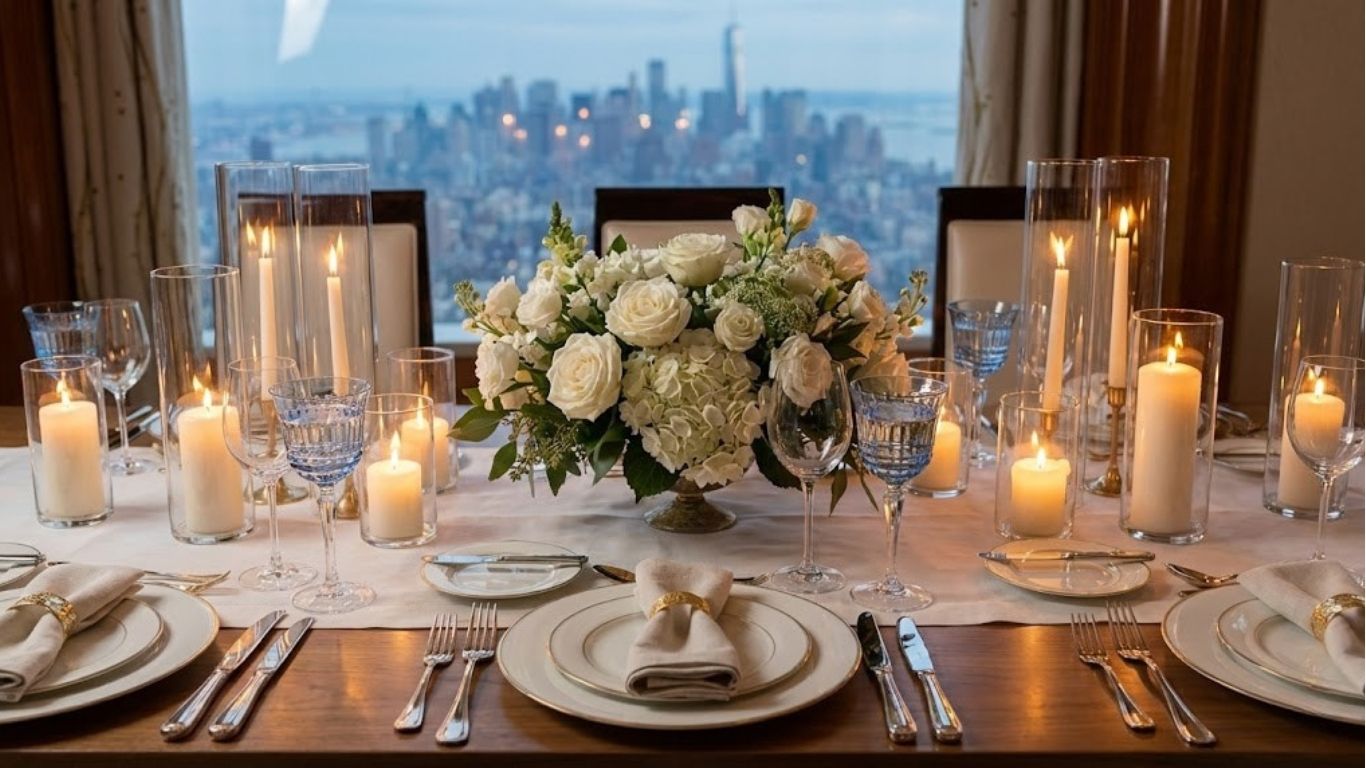
Trends in tablescaping come and go. I've seen them born at international design fairs, filter through fashion houses, explode on Instagram, and disappear within two years. After fifteen years of setting tables in New York's most discerning homes, I've learned one golden rule: a trend should never be the main character of your table.
Your table speaks before you do. It tells your guests something about who you are — your taste, your care, your attention to detail. And that language needs a solid foundation, not a vocabulary that expires every season.
I've watched clients spend $15,000 on a trendy dinnerware set, only to feel like it looked "dated" two years later. I once helped a client who had six different sets collected over ten years — none of them worked together. She'd spent thousands, yet every time she hosted, she felt like she had nothing to put on the table.
And I've seen others build a timeless collection for a fraction of that — pieces they'll pass down to their children.
The difference isn't money. It's strategy.
In this guide, I'll show you what I've learned from working in homes where entertaining is an art form. You'll see the luxury pieces that set the standard — and the Amazon alternatives that can get you surprisingly close. More importantly, you'll learn how to build a collection that grows with you, not against you.
In This Article
Quick Picks: Best Dinnerware Sets
My curated favorites — from budget-friendly basics to true heirloom porcelain. Click any set below to check current pricing and availability.
Budget-Friendly
Everyday & Mid-Range
Investment & Luxury
What I've Learned From Setting 1000 Tables
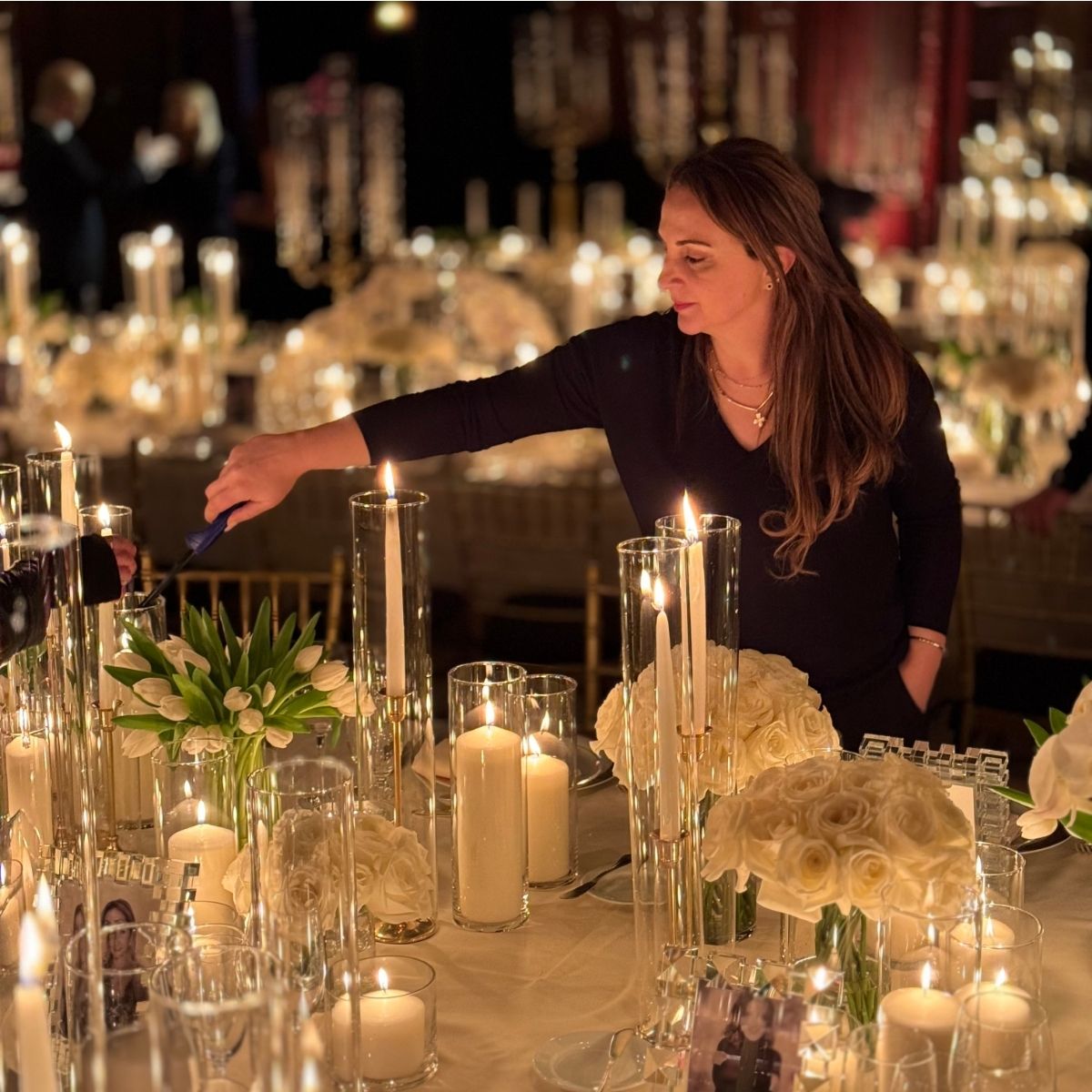
Here's what most people get wrong about dinnerware: they shop piece by piece, sale by sale, without a vision for the whole.
A beautiful teal salad plate catches their eye. Then gold-rimmed dinner plates on clearance. Then a trendy matte black serving bowl. Each piece lovely on its own. Together? Visual chaos.
The wealthiest clients I've worked for approach it differently. They think in systems, not pieces. They buy a cohesive foundation first — usually classic, usually neutral — and then add seasonal accents that can be swapped infinitely.
White plates with a gold or platinum rim. Simple, elegant flatware. Quality linen napkins in a neutral tone. That's the base. And how you fold those napkins matters more than you'd expect. Our napkin folding ideas guide shows six styles that elevate any place setting in under a minute. It never goes out of style. It works for Tuesday night pasta and Christmas Eve dinner.
Then come the accents: different napkin rings for different seasons. Colored glassware for mood. Candles, flowers, a table runner. Suddenly you have a completely new table — without buying new plates.
This is the secret. Not more stuff. A smarter system.
The Luxury Standard: What High-End Homes Actually Use
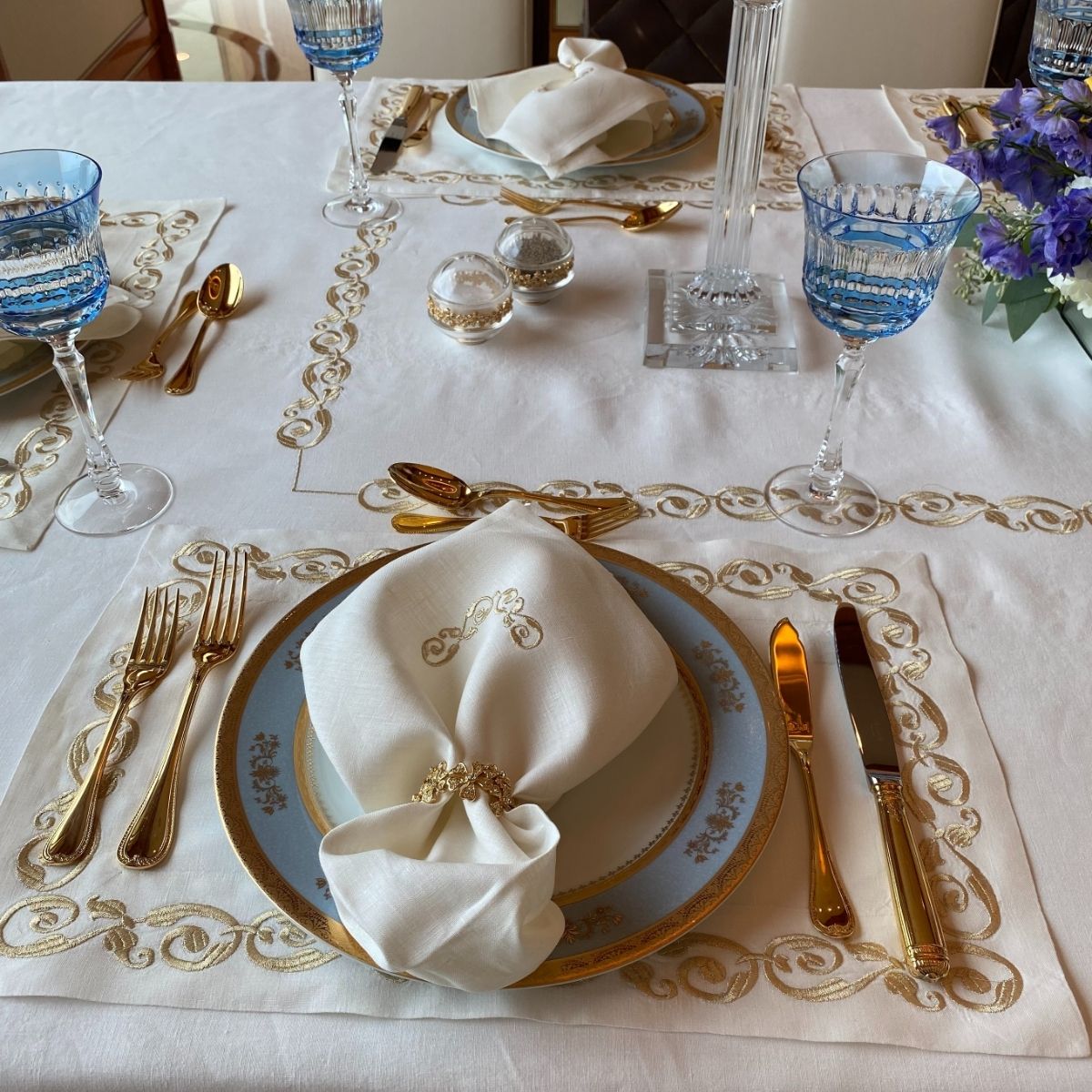
Walk into any high-end home on the Upper East Side, and you'll likely find one of a few names in the china cabinet: Bernardaud, Hermès, Raynaud. These aren't trendy brands — they're institutions.
Bernardaud, in particular, appears in almost every luxury home I've worked in. Founded in Limoges, France in 1863, they've been making porcelain for over 160 years. There's a reason: the quality is unmistakable. The weight in your hand. The way light hits the glaze. The precision of the gold detailing.
The Bernardaud Constance Salad Plate is a perfect example of timeless design — clean lines, delicate gold rim, versatile enough for any occasion. I've seen these plates at intimate family dinners and formal galas alike.
For those building a complete luxury collection, the Bernardaud Grenadiers 5 Piece Place Setting represents the gold standard. Yes, it's an investment — expect to pay $200+ for a single plate. But I've worked in homes where these sets have been in use for thirty years — still beautiful, still relevant, still the foundation of every dinner party.
At a slightly more accessible luxury tier, Villeroy & Boch Manoir 18-Piece Dinnerware Set offers European craftsmanship with classic French country charm. And the Mikasa Trellis Gold Rim Bone China delivers that coveted gold-rimmed look at a mid-range price point.
Is this level of luxury necessary? Absolutely not. But understanding what "the best" looks like helps you make smarter choices at any price point.
The Amazon Alternatives That Actually Work
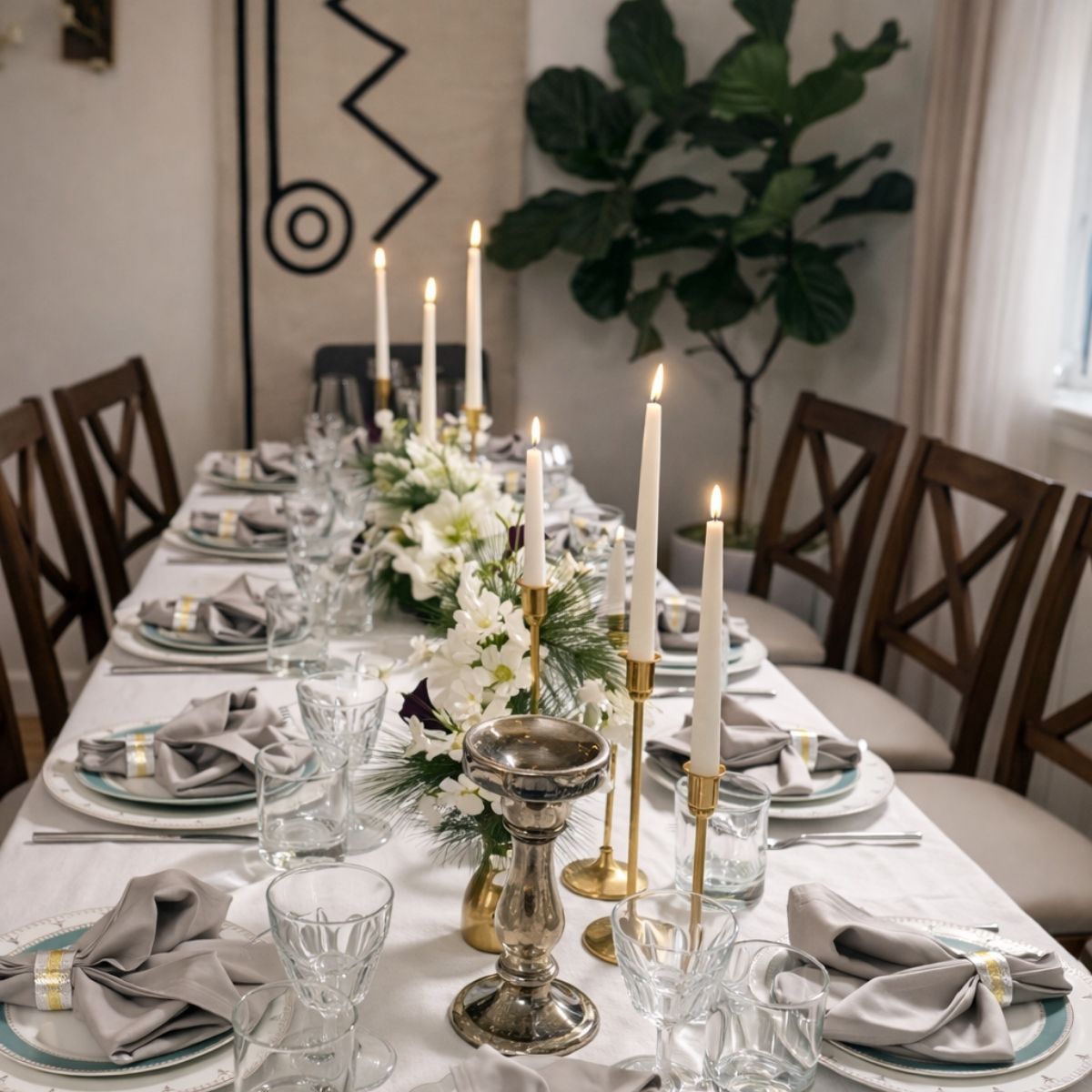
Here's my own dinner table at home. Not a penthouse. Not a mansion. A regular apartment in Brooklyn.
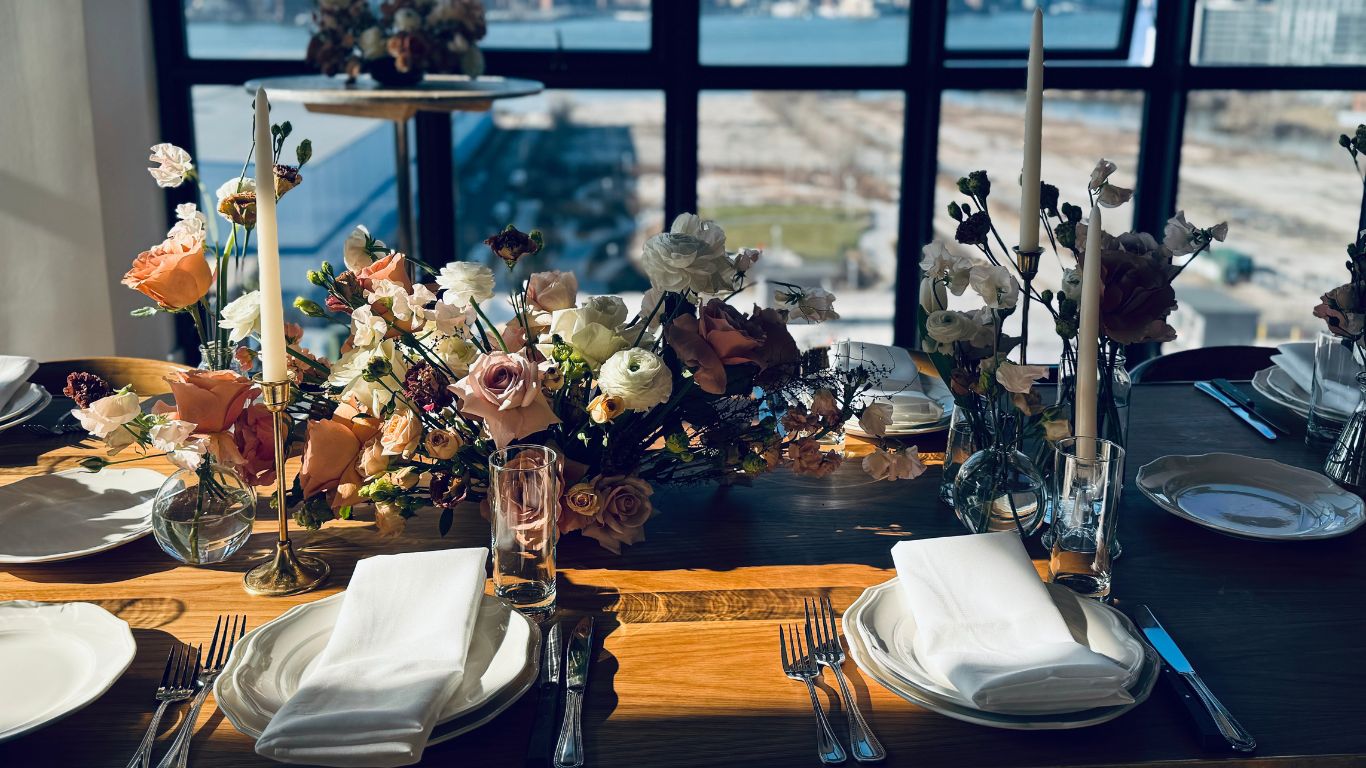
But notice how it holds its own? White plates with a subtle gold edge. Linen napkins in gray. Simple candlesticks. The principles are the same whether you're spending $500 or $5,000.
If you're building your collection without a luxury budget, the MALACASA 12-Piece Plates and Bowls Set is where I'd start — around $50 for a complete set, compared to $200+ for a single Bernardaud plate. Clean white porcelain, modern shapes, surprisingly good weight for the price. It won't fool anyone into thinking it's Bernardaud — but it will look elegant on your table, photograph beautifully, and last for years with proper care.
The key is choosing pieces that disappear into the background. No busy patterns. No trendy colors. Just clean, classic shapes that let your food and your accents do the talking.
A quick test I use: hold the plate up to the light. Quality porcelain has an even, translucent glow. Cheaper pieces look cloudy or uneven. It takes two seconds and tells you everything.
If you're unsure whether to choose porcelain, stoneware, or bone china, I'll break down the differences in my detailed material guide.
Think of it this way: your plates are the canvas. The painting happens with everything else — the linens, the flowers, the lighting, the glassware. A simple canvas serves you better than a complicated one.
What's Actually Worth the Investment (And What's Not)
After fifteen years of working with fine china, here's my honest advice on where to spend and where to save.
Worth the investment:
Classic white plates with gold or platinum rim. These never go out of style. A quality set from a heritage brand like Bernardaud will last decades and actually appreciate in sentimental value. You'll use them for every important meal of your life. If there's one place to stretch your budget, this is it.
Quality flatware. You touch your fork and knife at every meal. The weight, the balance, the feel in your hand — it matters more than you think. Even a mid-range set will serve you infinitely better than dollar-store alternatives.
Save your money on:
Trendy patterns and colors. That dusty rose plate set that's "so 2024"? It will look dated by 2026. Trends cycle fast in home décor. Keep your base neutral and add trendy touches through replaceable accents instead.
Complete matching sets of everything. You don't need twelve of every piece. Six beautiful dinner plates and six salad plates will serve most dinner parties. Better to have fewer pieces of higher quality than a complete set of mediocre ones.
Seasonal dishes. I've seen clients with separate Thanksgiving plates, Christmas plates, Easter plates... it's unnecessary and takes up precious storage. Use your classic white base and change the mood with napkins, candles, and centerpieces instead.
Complete the look with a simple flower arrangement for your dining table.Flatware: The Detail Most People Overlook
When people think about upgrading their table, flatware is usually last on the list. Plates get all the attention. But pick up a fork at any five-star restaurant or luxury home, and you'll immediately notice the difference.
Good flatware has weight. Balance. A certain feel against your lips that cheap alternatives simply can't replicate.
The gold standard in the homes I work in is often Christofle. French, heritage, impeccable quality. Their Origine collection is what I see most often — clean lines, substantial weight, understated elegance. It's the kind of flatware that makes guests pause mid-bite to notice.
For a complete luxury flatware experience, the Villeroy & Boch Mademoiselle 64 Piece Flatware Set offers European quality with enough pieces for formal entertaining.
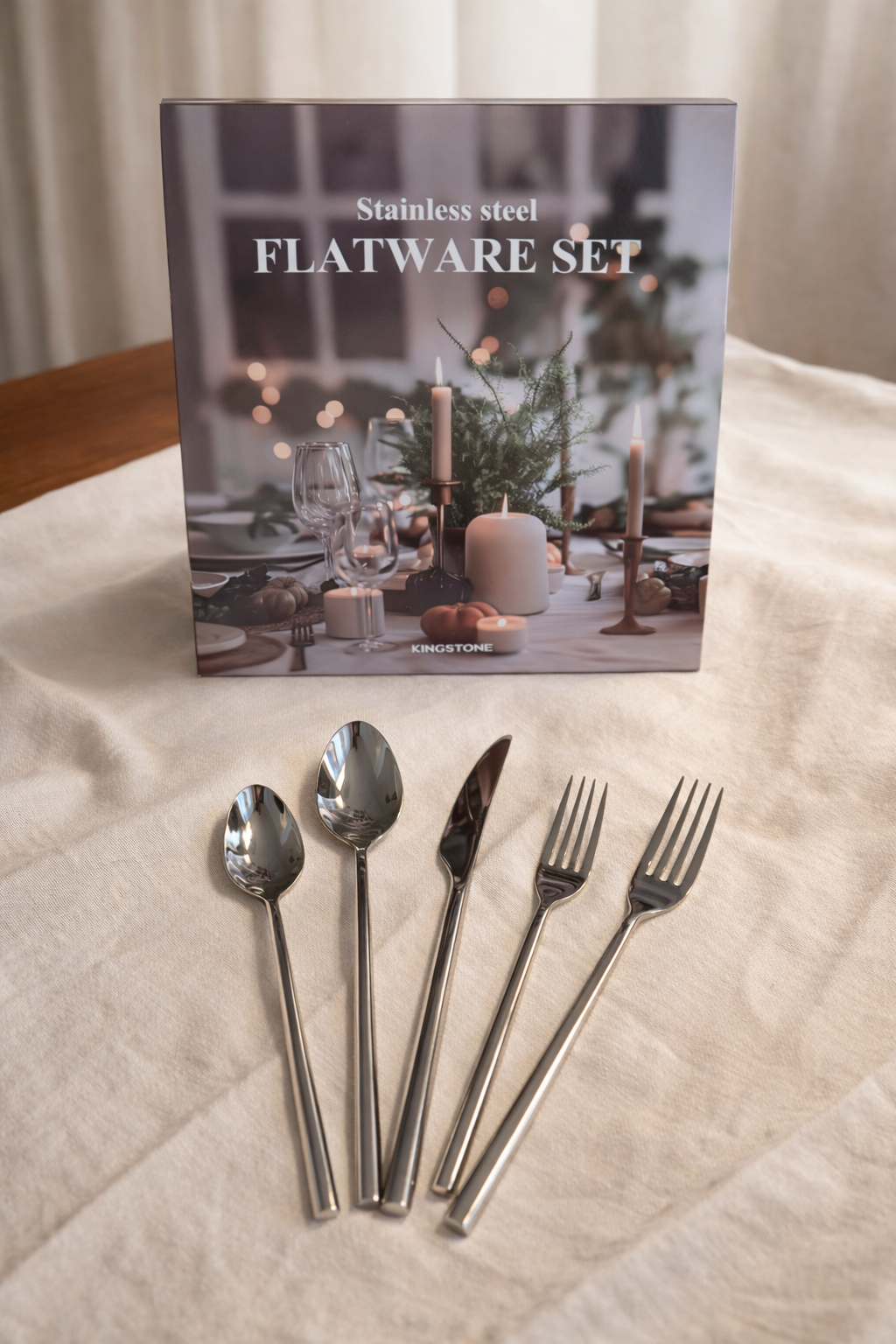
At a more accessible price point, the KINGSTONE 60-Piece Silverware Set offers surprisingly good quality for everyday use. The 18/10 stainless steel has decent weight, the finish is clean, and it holds up well in the dishwasher. Is it Christofle? No. But it's miles ahead of what most people have in their drawer.
My advice: if you're on a budget, start with good stainless steel like KINGSTONE. Use it daily, enjoy it fully. Then, over time, if you find yourself wanting more, save up for a quality set of five-piece place settings in silver or gold. Think of it as buying jewelry for your table — one piece at a time, when the moment is right.
How to Mix and Match Like a Professional
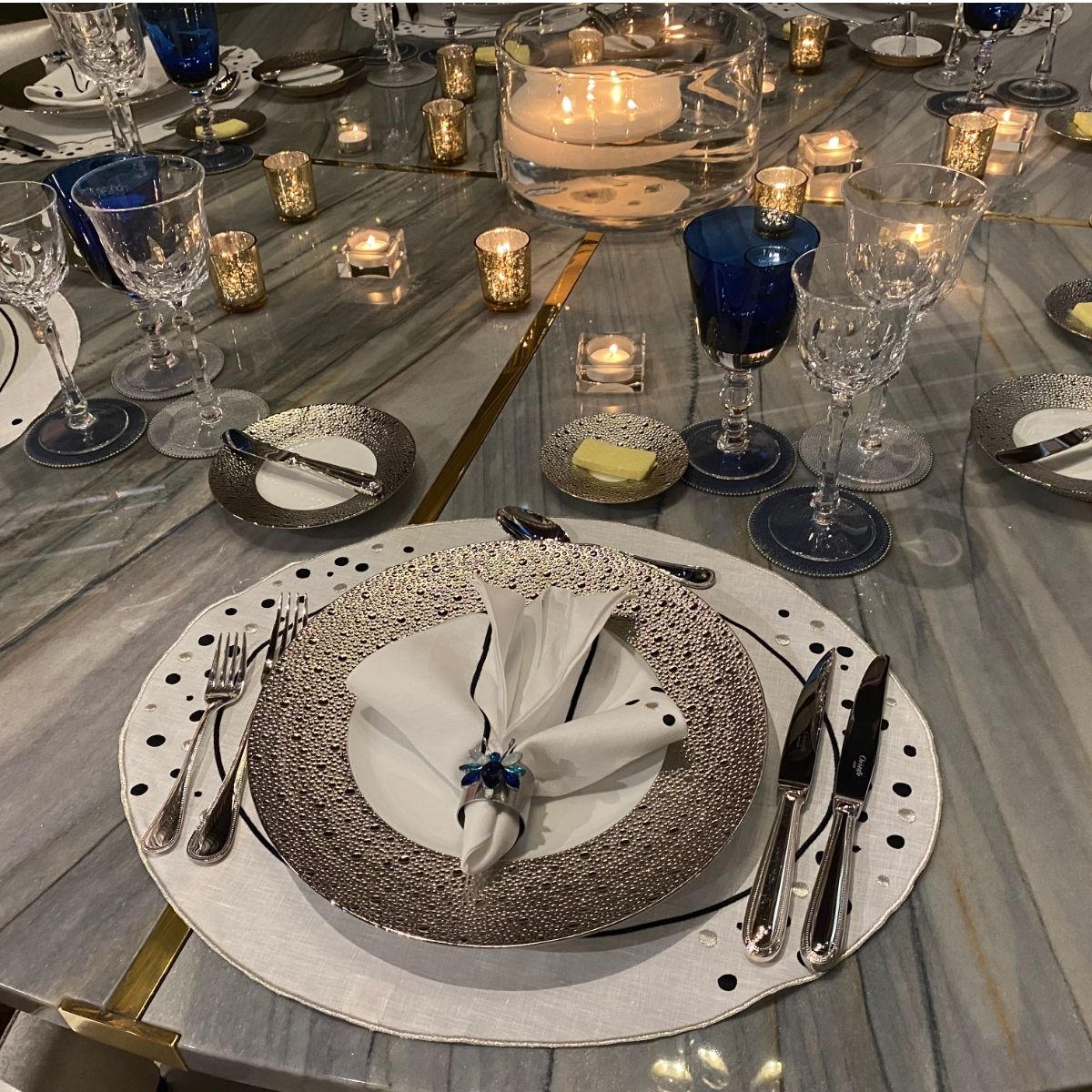
Here's where it all comes together — and where you can truly express your personal style without buying new plates every season.
Start with your neutral base: white or ivory plates, simple flatware. This never changes. Then build your "accent wardrobe" — pieces you can swap in and out depending on the occasion.
If you're building your collection from scratch, read my step-by-step guide on how to choose the right dinnerware set for your home.
Build Your Flatware Collection at Any Budget
From heirloom silver to everyday stainless — my picks at every price point.
Villeroy & Boch Mademoiselle (64-Piece) — European quality. Full set for formal entertaining. ~$150
For an everyday dinner: Simple linen napkins, a small vase with greenery or a single flower, basic water glasses. Clean, unfussy, welcoming.
For a romantic dinner: Add candlelight (lots of it), switch to darker napkins, bring in colored wine glasses, lower the centerpiece so you can see across the table.
For a holiday gathering: Layer in a table runner, upgrade to formal napkin rings, add height with tall candles, bring in seasonal flowers or greenery. Same plates — completely different mood.
For a summer party: Bright napkins, citrus in a bowl as centerpiece, casual glassware, maybe placemats instead of a tablecloth. The white plates suddenly feel fresh and Mediterranean.
This is the magic of building a system instead of buying pieces. Your investment works harder. Your storage stays manageable. And your table never looks the same twice.
The richest clients I work for don't have more dishes than everyone else. They have smarter dishes — and a closet full of accessories that transform the same base into infinite variations.
For more ideas on creating inviting spaces, check out our guides on cozy modern living room ideas and what actually makes a living room feel cozy.
Frequently Asked Questions
How many place settings do I really need?
For most households, 8 place settings is the sweet spot. It covers a dinner party of 6-8 comfortably with a spare if something breaks. If you frequently host larger gatherings, consider 12. But honestly, 6 quality settings beats 12 mediocre ones every time.
Can I mix gold and silver on the same table?
Yes, but be intentional about it. The key is balance. If your plates have gold rims, your flatware can be silver — just make sure your accessories (napkin rings, candleholders) pick up both metals. It looks curated rather than mismatched when you repeat each metal at least twice on the table.
Is expensive dinnerware really worth it?
It depends on what you're buying. Classic pieces from heritage brands like Bernardaud hold their beauty for decades and rarely feel dated. Trendy expensive pieces, however, can feel outdated quickly. If you're going to invest, invest in timeless — white with gold or platinum accents, simple shapes, quality materials.
How do I care for fine china?
Hand wash pieces with metallic accents — dishwashers can fade gold and platinum over time. Store with felt separators between plates to prevent scratching. And here's a secret from luxury homes: use your good china regularly. Pieces that sit unused for years become fragile. Regular use actually keeps them in better condition.
What's the biggest mistake people make when buying dinnerware?
Buying reactively instead of strategically. Picking up random pieces on sale, chasing trends, accumulating without a vision. The result is a cabinet full of things that don't work together. Start with a plan: neutral base, quality over quantity, accent pieces that can be swapped seasonally. Your table — and your budget — will thank you.


