
What Actually Makes a Living Room Feel Cozy (Without Buying New Furniture)

Affiliate Disclosure: This post contains affiliate links, which means I may earn a small commission at no extra cost to you if you make a purchase through these links.
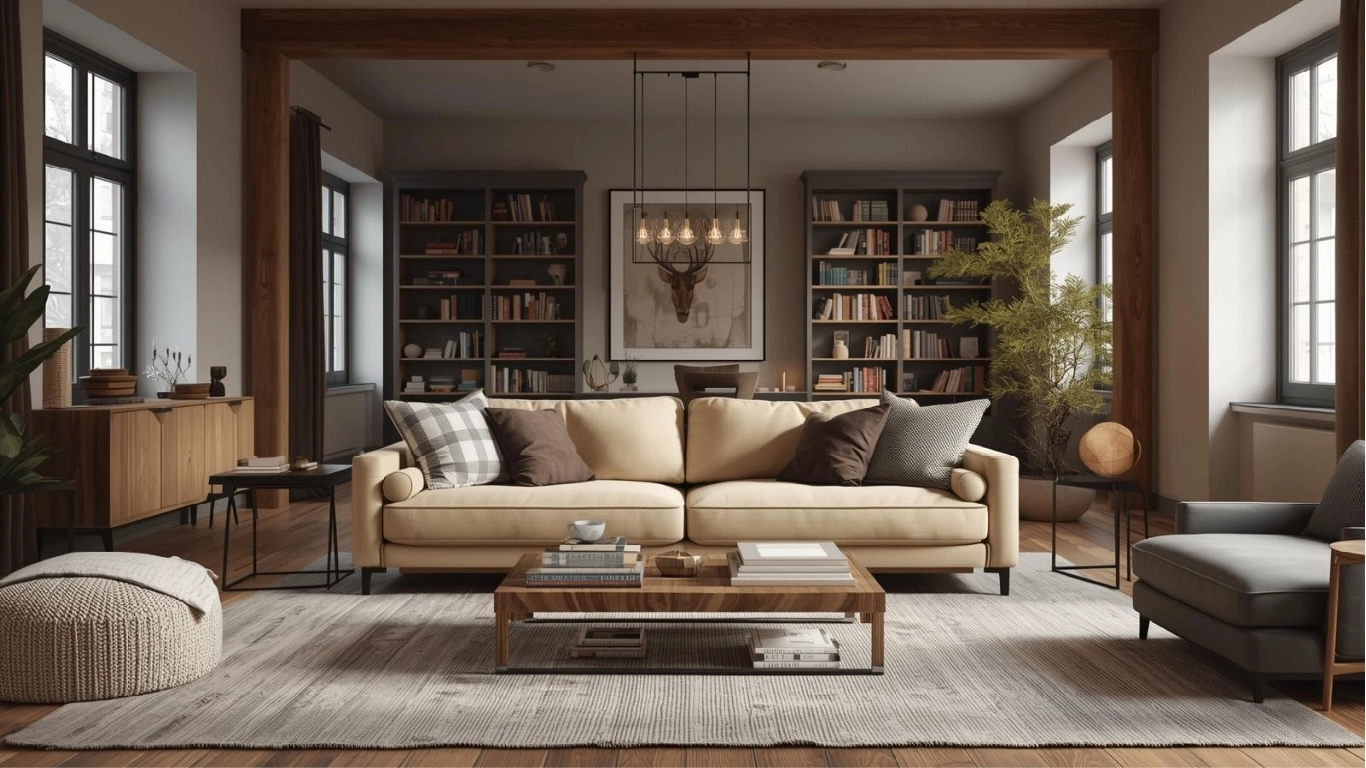
We've all been there. You stand in the doorway of your living room, coffee in hand, scanning the space. The sofa is beautiful, the rug is clean, and the shelves are tidy. On paper, the room is "finished."
Yet when you sit down, something feels off. The space feels stiff, perhaps a little too quiet — more like a showroom than a sanctuary.
I noticed this shift myself when I stopped trying to "finish" my living room and started letting it respond to how I actually lived in it.
The instinct, of course, is to add something new. A softer throw. Another chair. More art on the walls. We assume the missing ingredient is an object we haven't bought yet.
But true coziness — that subtle sense of safety that makes you exhale the moment you walk in — rarely comes from furniture.
It comes from the energy of a room. From how light moves across surfaces. From how seating invites conversation. From the quiet evidence of life unfolding naturally in the space.
These cozy living room ideas don't require a shopping trip. They require a shift in perspective — one that values human comfort over visual perfection.
Table of Contents
The Invisible Architecture of Light
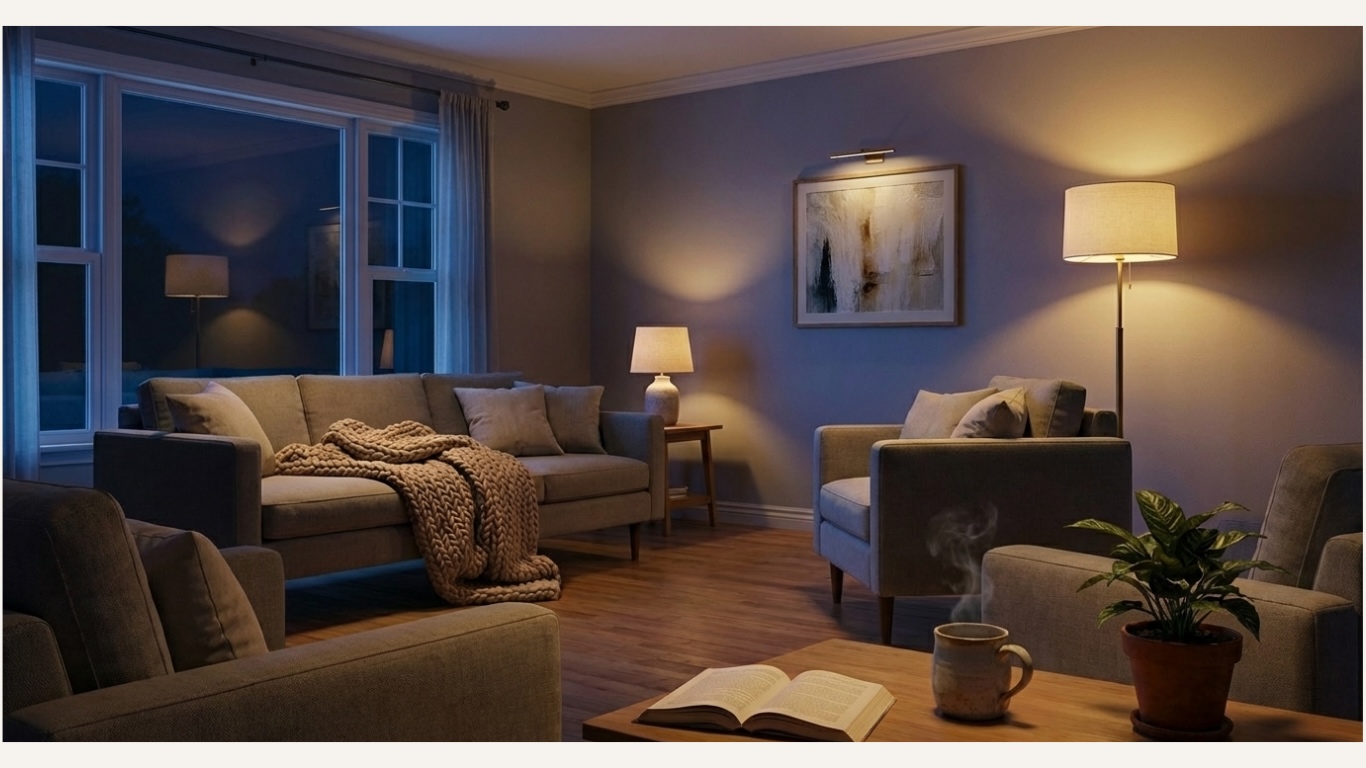
If there's one silent enemy of coziness, it's overhead lighting. Many living rooms rely on a single ceiling fixture that floods the space with flat, relentless brightness. While practical, this kind of light erases shadows and strips texture from everything it touches. It's useful for cleaning, but unforgiving when the day is done.
Coziness lives in layered illumination — in gentle pools of warmth rather than full exposure. Lamps placed at eye level or lower remind us of firelight. They draw people inward and create a sense of shelter, especially in the evenings when windows turn dark.
Look around your home. A bedside lamp temporarily relocated to a side table. A reading light tucked behind an armchair. A small lamp placed low behind a plant, casting organic shadows that climb the wall as evening deepens.
Light doesn't need to reveal everything at once. It only needs to guide the eye calmly through the room, letting some corners rest in gentle darkness.
When you stop illuminating every surface equally, the room begins to breathe.
The Rhythm of Arrangement

There's a natural tendency to push furniture against walls, especially in living rooms. We do it to make the space feel larger, to keep pathways clear, to maintain order. But in doing so, we often remove the room's sense of intimacy.
When seating hugs the perimeter, the center becomes a void — a distance that separates rather than connects. Coziness, on the other hand, thrives on proximity.
Think about how you instinctively sit when sharing something quiet with someone you trust. Not side by side staring forward, but angled slightly inward. Close enough that you can pass something without reaching. Close enough that your voice drops naturally.
That geometry — chairs turned toward each other rather than the television, a sofa pulled just far enough from the wall that you can walk behind it — changes how a room holds people.
Floating furniture doesn't shrink a room. It gives it purpose. The edges become pathways, and the center becomes a place for connection.
Texture Over Color
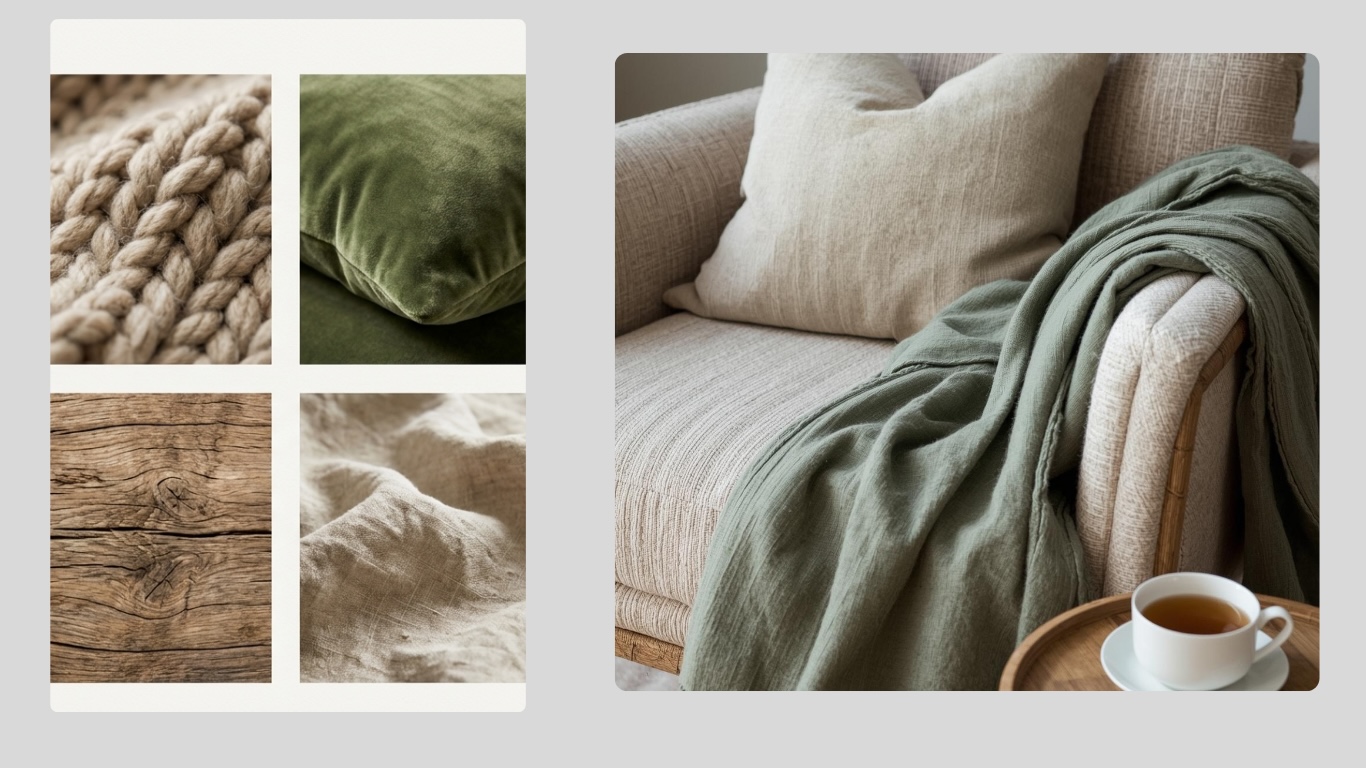
When a space feels cold, the first impulse is often to reach for warmer paint. While color matters, texture speaks more directly to the senses. Coziness is as much about touch as it is about sight.
Often, the softest elements are already in the home — folded away in closets, reserved for other rooms, or saved for "later." Heavy wool blankets, linen throws, knitted scarves, even layered rugs quietly wait for their moment.
Let fabrics fall naturally rather than arranging them too precisely. A casually draped blanket softens the rigid lines of a sofa's frame. Cushions borrowed from the bedroom invite lounging rather than upright sitting.
Layered textiles absorb sound, making the room quieter and more contained — a subtle but powerful shift.
A room that sounds softer almost always feels safer. When voices no longer echo off hard surfaces, when footsteps are muffled, the space begins to feel more like a refuge and less like a stage.
The Presence of Life
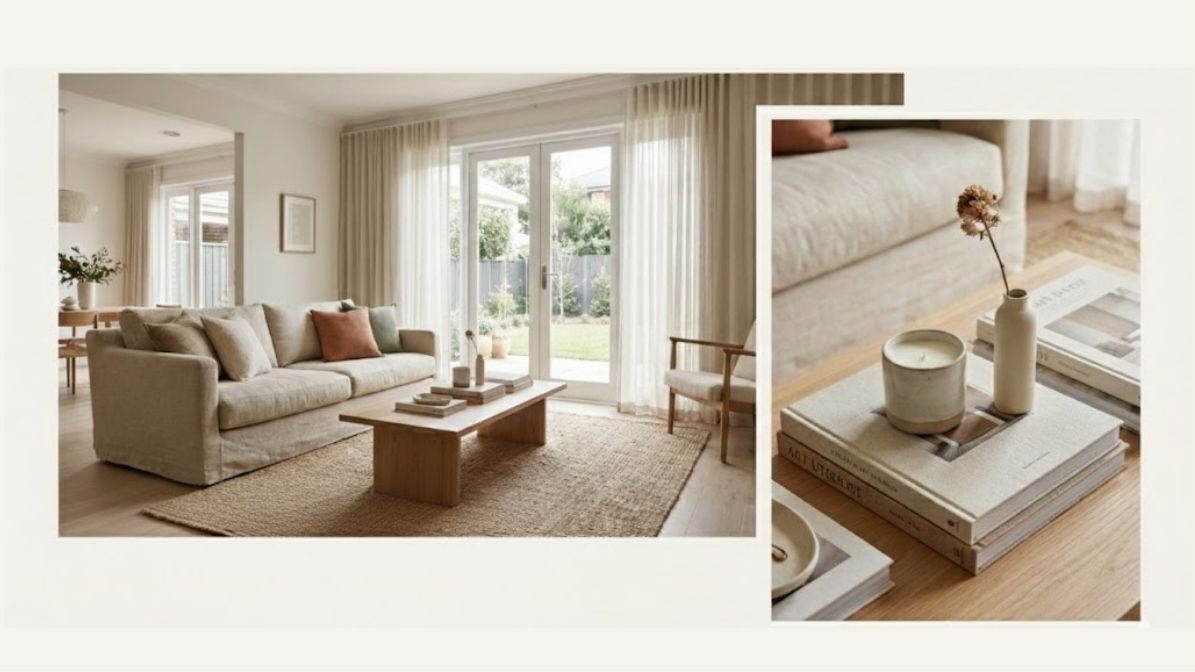
A perfectly styled living room can be beautiful, but coziness requires imperfection. The most inviting cozy living room ideas tell a story — not through décor trends, but through traces of daily life.
When surfaces are bare, a room can feel sterile. When they're overcrowded, it feels restless. Somewhere in between is a collection of meaningful, unpolished moments.
A stack of books you're actually reading, their spines bent. A ceramic bowl holding matchsticks or smooth stones collected on a walk. A basket with knitting needles resting on half-finished wool.
These details ground a space in reality. They signal that the room is for living, not for admiring.
Plants play a quiet but powerful role here. Their irregular shapes soften straight lines, and their presence adds a sense of movement and growth. Even a single cutting in a glass jar catches light differently throughout the day — bending toward the window in the morning, casting long shadows by evening.
A Room That Holds You

Beyond what we see, there are invisible elements that shape how a living room feels. Sound. Scent. Air.
Opening a window for a few minutes, even in winter, resets the atmosphere entirely. Fresh air carries away the stale weight of a sealed space. A pot of water simmering on the stove with citrus peel or rosemary fills the room with something familiar and grounding. These small sensory cues tell the body it's safe to slow down.
Silence matters too, but so does gentle sound. The low murmur of instrumental music. The crackle of a candle wick. The barely-there hum of a room that isn't trying to be anything other than what it is.
Ultimately, a cozy living room isn't defined by a perfect sofa or a carefully chosen palette. It's defined by how the space responds to you — by low, warm light that signals rest, by furniture arranged for conversation rather than display, and by objects that invite touch, pause, and presence.
A living room feels cozy when it stops performing and starts supporting. When it holds you, rather than asking to be admired. And perhaps the most important shift of all: when you stop asking whether the room looks finished — and start noticing whether it feels like home.
Ready for More Cozy Inspiration?
Transform your entire home with these thoughtfully curated styling guides:


