
Table Setting Essentials: The Finishing Touches That Make a Table Feel Complete

This post may contain affiliate links. If you purchase through these links, I may earn a small commission at no extra cost to you. Full disclosure.
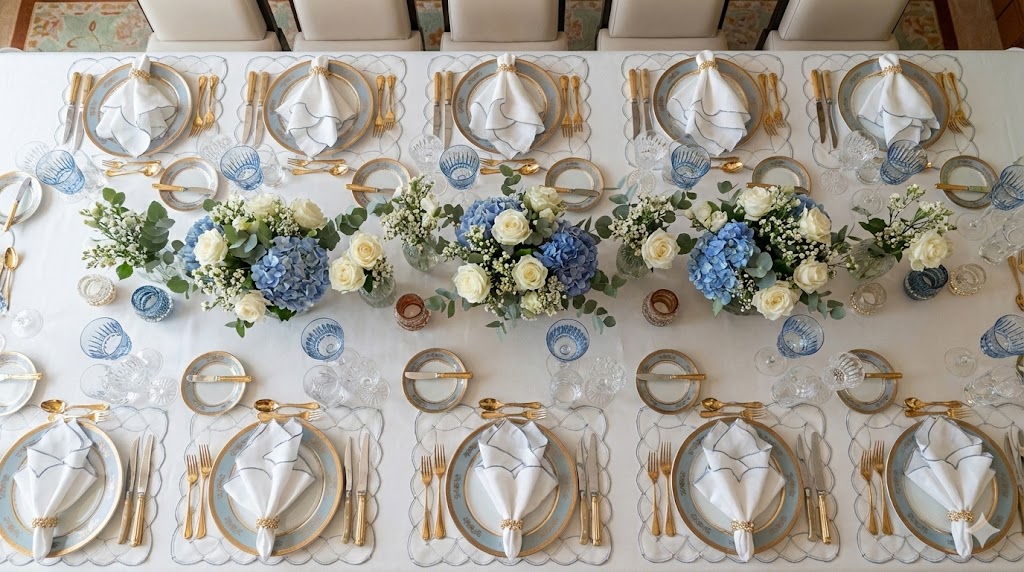
The four table setting essentials beyond your dinnerware are: a linen runner or tablecloth, cloth napkins, candles, and one living element like flowers or greenery. These simple layers transform any meal from ordinary to intentional, and you can start with just a runner and cloth napkins for under $40.
Most people think a beautiful table starts with the plates. It does not. In reality, the right table setting essentials create the atmosphere long before the food arrives. The dinnerware matters, but it is the layer on top that makes people pause when they sit down. A linen runner in the right texture. Candles at the right height. A napkin folded with just enough intention that the whole setting feels considered.
These are the table setting essentials that separate a nice dinner from one people talk about afterward.
I have learned this over years of setting tables for events and then coming home to my own kitchen wondering why it did not feel the same. The difference was never the plates. It was everything else: the things that create atmosphere, the details that make a setting feel intentional rather than accidental. For a complete step-by-step walkthrough, my guide on how to set a table covers every detail from casual to formal.
The 4 Essentials at a Glance
All four are not necessary every night. But knowing how each one works gives you the ability to transform your table in ten minutes.
Linens: The Foundation You Feel
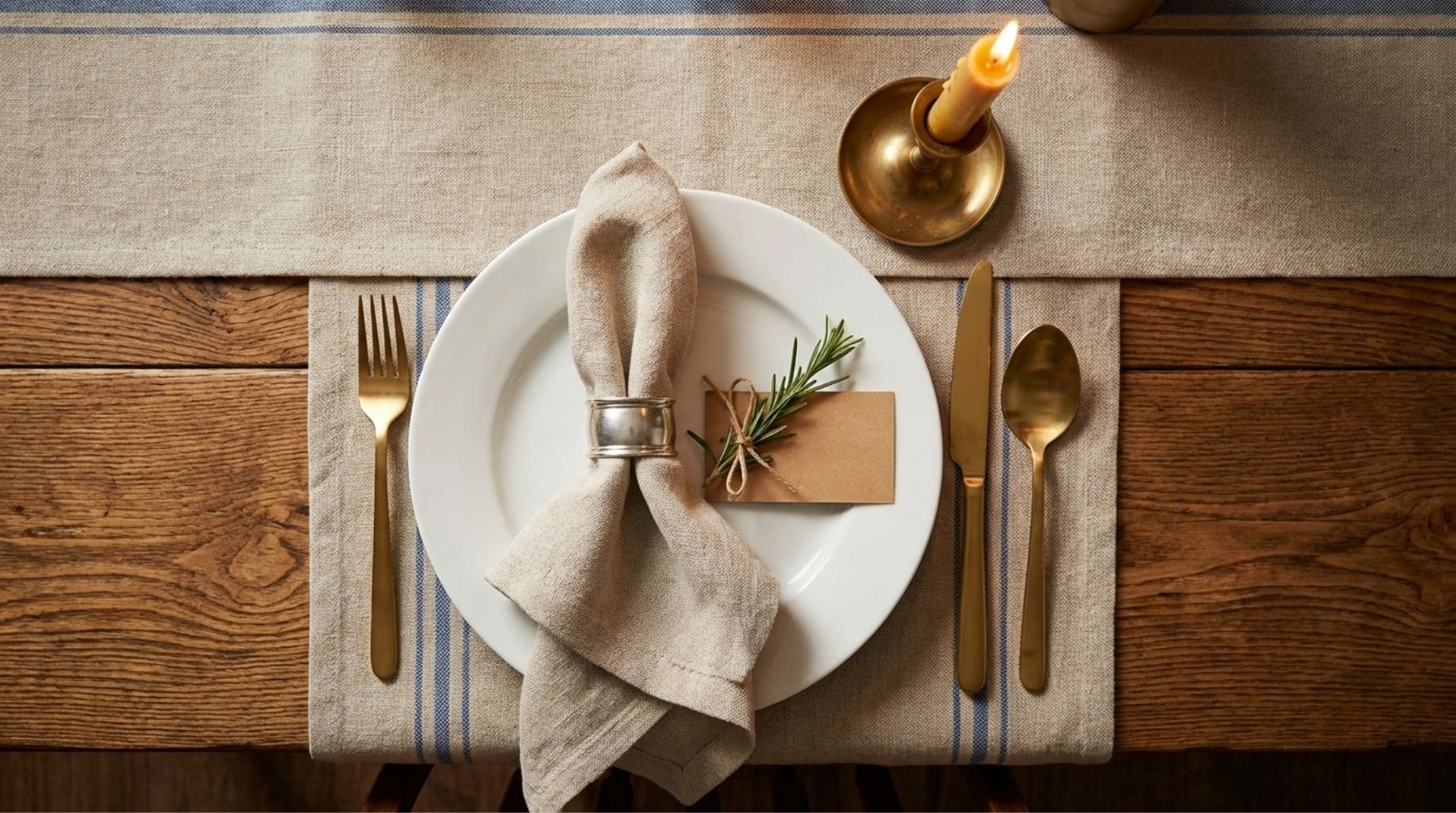
A simple linen runner, cloth napkin, and a single candle: the everyday essentials that make any table feel intentional.
Linens are the single fastest way to change the personality of your table. The same white plates that look minimal on a bare wooden surface will feel warm and layered with a textured runner, or polished and formal with a crisp white tablecloth.
Tablecloths vs. runners. A full tablecloth works beautifully for formal sit-down dinners. It softens the room, absorbs sound, and gives the table a unified feel. A runner is more casual and versatile. It defines the center without covering everything, and works just as well for a Tuesday dinner as a holiday gathering. I keep a French stripe linen runner in rotation year-round.
Napkins make more difference than you think. Cloth napkins are one of the smallest upgrades that changes the feel of a meal the most. Paper napkins disappear. Cloth napkins stay, they add color or texture, and they quietly communicate that this meal matters. They do not have to be expensive, but if you want something with real weight and polish, hemstitched linen napkins feel noticeably refined at the table. If you are looking for inspiration on how to fold them, our guide to napkin folding ideas covers six styles from simple everyday folds to elegant hosting techniques.
What to look for:
- Cotton or linen blend for everyday (machine washable, gets softer over time)
- Heavier linen or cotton sateen for formal settings
- Neutral tones for flexibility: white, cream, soft grey, sage
- One statement color set for when you want to shift the mood
The trick is to keep your base neutral and build from there. A cream runner works twelve months a year. Add rust-colored napkins in fall, white in summer, deep green in winter, and your table tells a different story each time without buying new dishes. This is the same mix and match philosophy that works for dinnerware: versatile pieces that combine in endless ways.
Candles & Candleholders: The Light That Sets the Tone
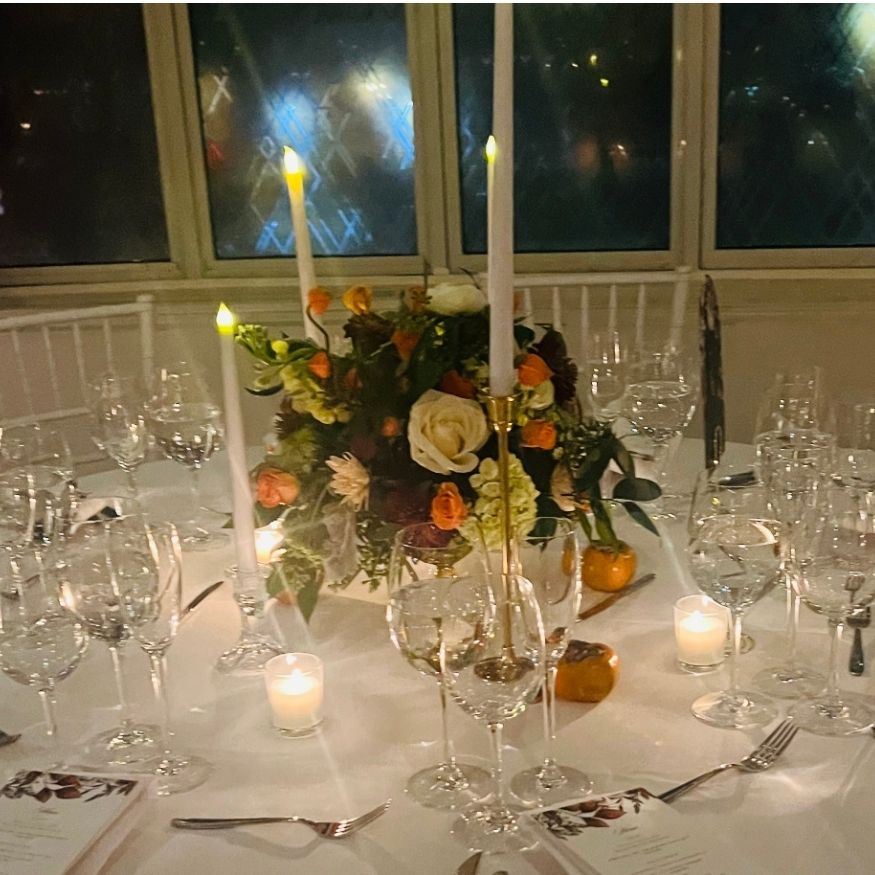
Tapers for height, votives for warmth: mixing candle types creates depth and atmosphere at the table.
Nothing changes a room faster than candlelight. The most beautifully set table will fall flat under overhead fluorescents. Turn the lights down, add candles, and suddenly everything looks warmer, softer, more intentional.
Height matters more than you would expect. Tall taper candles create drama and draw the eye up, making a table feel more formal. Low votives and tea candles create intimacy, a warm pool of light that keeps conversation close. For most dinners, mix both: tapers in the center with a few votives along the table.
Scented or unscented? At the dining table, always unscented. This is a rule I never break. Vanilla competing with the food you cooked helps no one. Save scented candles for the living room.
Candleholders worth investing in:
- Brass gold taper holders are timeless and work with every style
- Clear glass votives that disappear visually and let the flame do the work
- A single statement candelabra if you host often
One thing I noticed while decorating for events at high-end venues is how deliberately they use candlelight as a design element, not an afterthought. That mindset translates beautifully to home dining.
Napkin Rings & Place Cards: Small Details, Big Impact
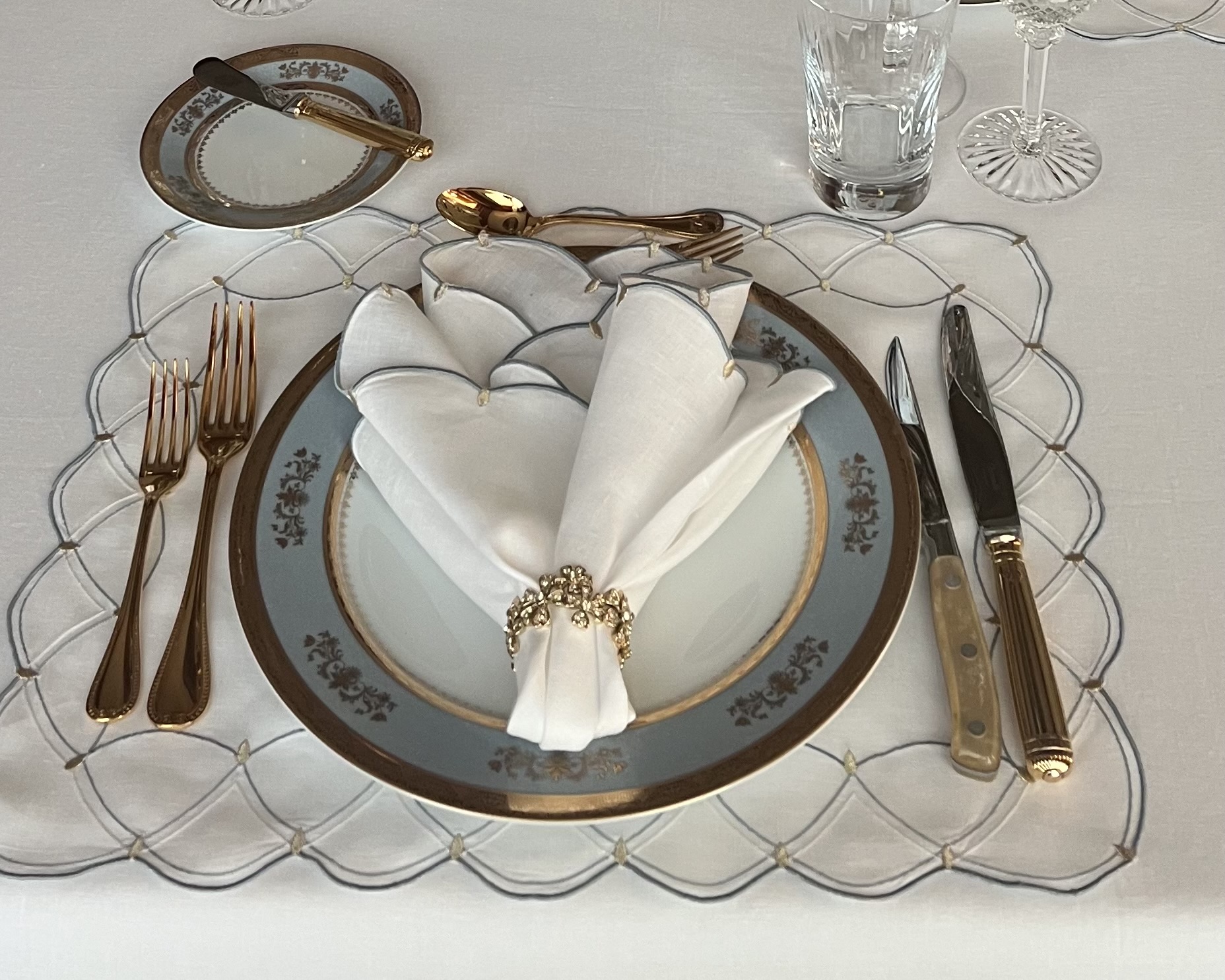
A single well-chosen napkin ring transforms the entire place setting without adding clutter.
For a casual weeknight dinner, skip these. But for hosting, holidays, or any meal where you want guests to feel genuinely welcomed, small details carry enormous weight.
Napkin rings hold the napkin in a considered fold (no origami required) and add a layer of texture to the place setting. A simple silver ring keeps things clean for everyday hosting. When you want something with more personality, a coral-design napkin ring becomes a conversation piece on its own. Each says something slightly different about the meal.
Place cards eliminate the awkward hovering moment and let you control conversation by seating people thoughtfully. Calligraphy and expensive cardstock are optional. A small kraft paper tag, a sprig of rosemary with a handwritten name, even a simple folded card does the job beautifully.
Use them for dinner parties with 6+ guests, holidays, and styled meals. Skip them for weeknight dinners, small casual gatherings, and buffets.
Centerpieces & Flowers: What Guests Always Notice First
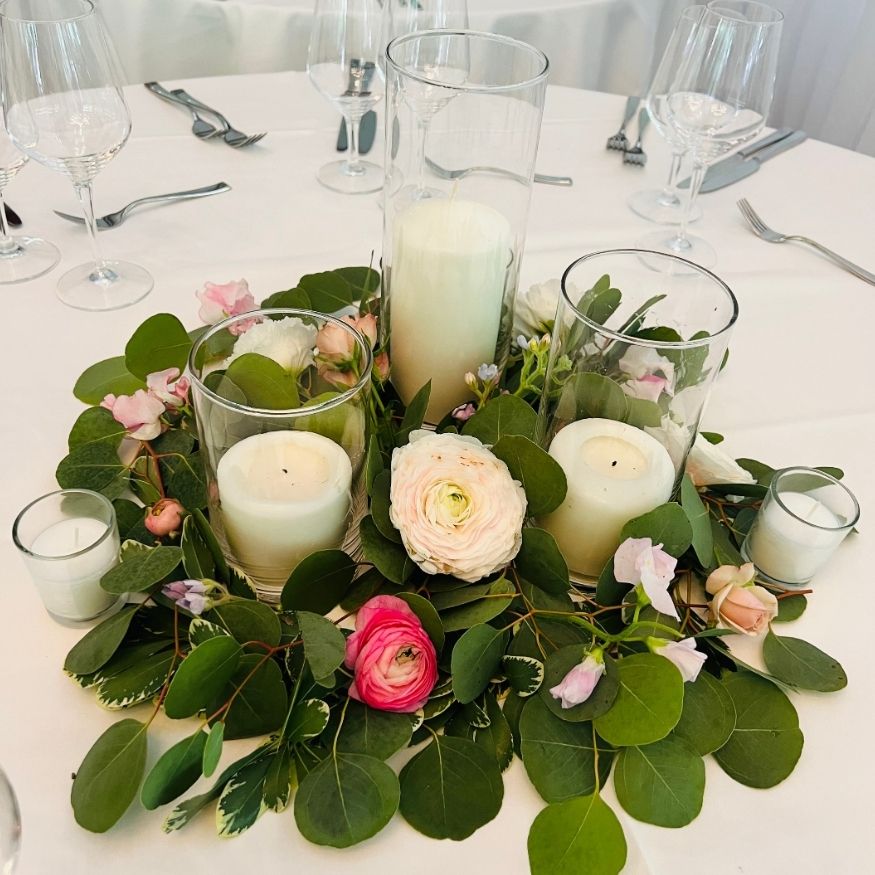
Low arrangements with greenery and candles: guests can see each other, and the table still feels lush.
Flowers are the one thing guests always comment on. There is something about living things on a table that immediately makes a space feel alive and cared for.
The most common mistake is going too tall. A towering arrangement looks incredible in photos, but at a dinner table it blocks eye contact. Keep centerpieces low enough that everyone can see each other. If you want height, use taper candles, not flowers.
Grocery store flowers work beautifully. Three or four stems of the same variety, trimmed short, grouped tightly in a simple low vase. The trick is restraint, not abundance.
Bud vases are worth considering. A row of small glass bud vases, each holding a single stem, creates a clean, modern look that works for everything from weeknight dinner to brunch. For larger gatherings, pair one low centerpiece with a few bud vases along the table. Or let the bud vases stand on their own for a simpler approach. For fresh flowers and centerpiece ideas, see our guide to flower arrangements for the dining table.
Beyond flowers:
- Olive branches or eucalyptus laid flat along the runner
- A bowl of seasonal fruit (figs, pomegranates, citrus)
- Small potted herbs like rosemary or thyme
- Dried botanicals in winter when fresh flowers feel forced
As someone who works with flowers every day, I can tell you the secret is not the arrangement itself. It is matching the scale and mood to the meal. A tight cluster of garden roses for an intimate dinner. A loose sprawl of wildflowers for a summer brunch. For more floral inspiration, I love the work at Edelweiss Florist. The flowers should feel like they belong at that specific table, on that specific night.
How to Style a Table With Just the Basics
A closet full of accessories is not the goal. One dinnerware set, a limited budget, and these four table setting essentials will get you surprisingly far.
One good runner. Neutral linen in cream, oatmeal, or soft grey. Works year-round.
Cloth napkins. Even simple ones elevate everything. Fold them simply, tuck a sprig of something green into the fold.
Two candles, minimum. A pair of tapers or three small votives grouped together. Enough to shift the atmosphere.
One living element. A single stem in a bud vase. A small bowl of lemons. A cutting from your garden.
With these and quality dinnerware, you have everything. If you are still choosing plates, my guide to the best dinnerware sets for elegant entertaining covers options at every price point. And if you are deciding between materials, bone china vs porcelain breaks down which one fits your lifestyle. Pair your dinnerware with the right glassware and the table is complete.
These dinner table decor ideas do not require a redesign. They require a shift in attention, from the meal to the environment around it. For more on the art of setting a beautiful table, Martha Stewart's guide covers the traditional foundations.
What I Keep on Hand (And What I Skip)
Always in my cabinet:
- Two linen runners (one cream, one charcoal)
- A set of 8 cloth napkins in a neutral tone
- Brass taper candleholders (a pair)
- Clear glass votives (a set of 6)
- One low ceramic vase for short arrangements
What I buy fresh: Flowers or greenery (seasonal, whatever looks best that week) and taper candles.
What I stopped buying: Themed holiday tablecloths, decorative charger plates, and matching sets of anything too specific. Flexibility matters more than coordination.
The philosophy is the same one I apply to dinnerware: build a system, not a collection. A few versatile, quality pieces that work in different combinations will serve you better than a closet full of things you use once a year.
Frequently Asked Questions
What are the basic table setting essentials I need?
How can I make my dinner table look nice on a budget?
Should I use a tablecloth or a runner?
How do I choose a centerpiece that does not block conversation?
What table setting ideas work for everyday use?
When it comes to table setting essentials, the real secret isn't owning more — it's paying attention to what creates atmosphere: the texture under the plates, the light in the room, the small gesture that tells your guests you thought about them before they arrived. Start with what you have, add one layer at a time, and watch how quickly your table becomes something worth sitting down to.


